
Categories
Selling a HomePublished August 20, 2026
Should You Sell Before You Buy a Home in Salem?

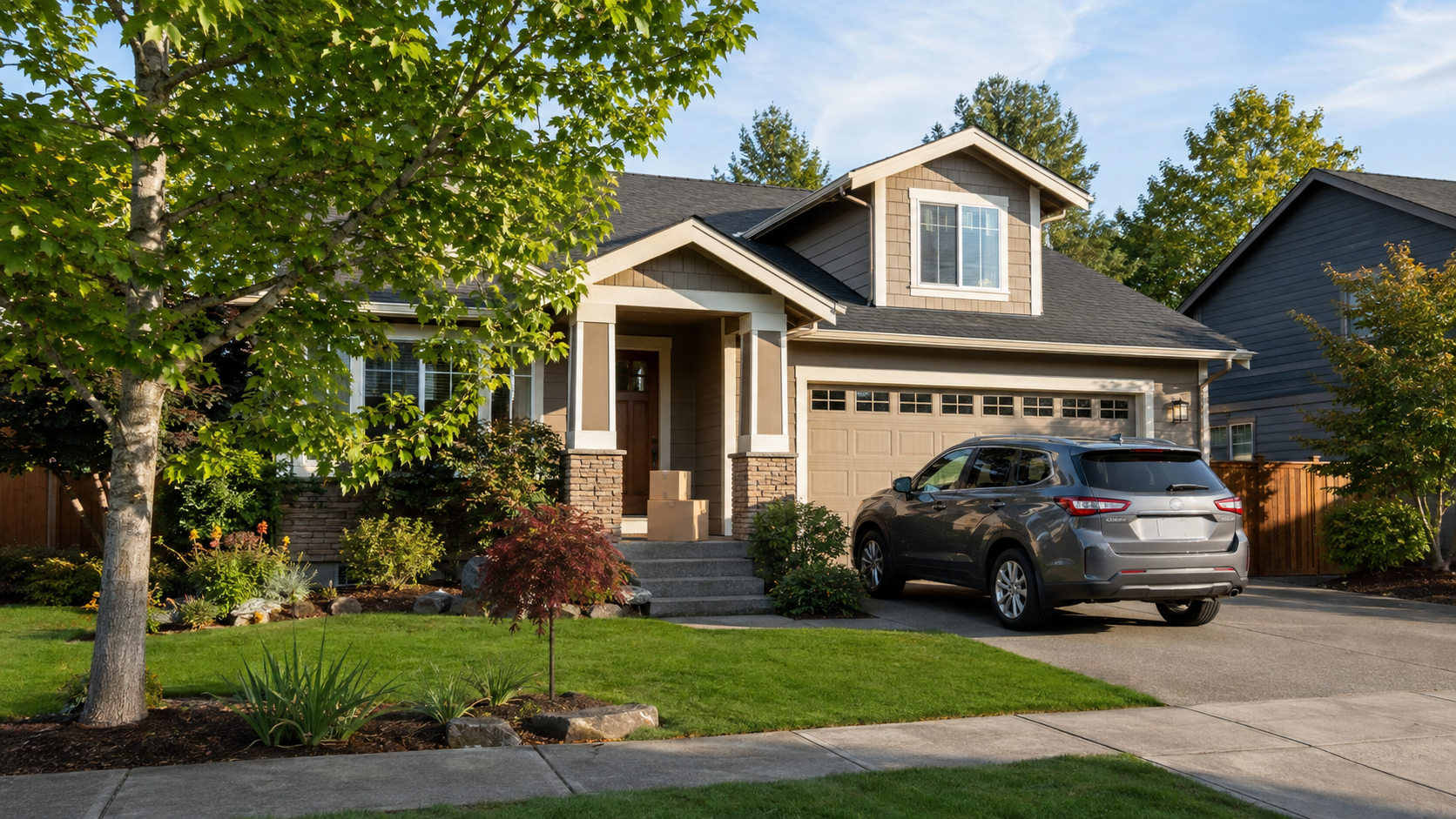
For most Salem homeowners, selling before buying is the safer financial choice, but it is not always the best practical choice. The right sequence depends on your equity, income, tolerance for uncertainty, and how difficult the next home will be to find.
This is one of the most important decisions a move-up buyer or downsizing homeowner makes. It affects your negotiating position, your financing, and whether you may need temporary housing. The goal is not to eliminate every inconvenience. It is to choose the risks you can control.
What are the advantages of selling your home first?
Selling first gives you certainty. Once your sale closes, you know how much equity is available for the down payment, what your monthly budget looks like, and whether you need to adjust your plans.
- You avoid carrying two homes. There is no extended period with two mortgage payments, two insurance policies and two sets of utilities.
- Your next offer is cleaner. An offer that does not depend on selling another property is generally easier for a seller to accept.
- You know your actual proceeds. You can make decisions using a closed sale rather than an estimate of your equity.
- You reduce pressure to accept a weak offer. When the next purchase is not already counting down, you have more room to evaluate the terms of your sale.
The tradeoff is that your home may sell before you find the right replacement. That can mean arranging a rent-back, delaying possession, moving into a short-term rental, or storing some belongings temporarily.
When can buying before selling make sense?
Buying first can work well when you have enough financial flexibility to own both homes temporarily and when the property you want is harder to replace than the one you are selling.
For example, a buyer looking for a specific South Salem school area, acreage, a large shop, single-level living or an accessible floor plan may have fewer acceptable choices. Waiting until the current home closes could mean losing a property that fits unusually well.
Before choosing this route, ask your lender to show you the real cost of carrying both homes. Include both mortgage payments, taxes, insurance, utilities, maintenance and the possibility that your current home takes longer to sell than expected. Approval for two payments is not the same as being comfortable with two payments.
Can you make an offer contingent on selling your current home?
Yes. A home-sale contingency can allow you to contract on the next home while giving you time to sell your current one. The exact terms are negotiable and should be reviewed carefully with your real estate agent and lender.
The challenge is competition. A seller may prefer a lower-risk offer without a sale contingency, especially when the home is new to the market or has multiple interested buyers. A contingent offer becomes more attractive when your current home is already listed, properly prepared, realistically priced, or under contract.
This is why the preparation work matters. If you want the flexibility to pursue the next home quickly, your current home should be close to market-ready before you begin making serious offers.
What other financing and timing tools are available?
Depending on your financial position, a lender may discuss options such as a bridge loan, a home equity line of credit, recasting a new mortgage after your sale, or qualifying while carrying both properties. These tools have different costs and risks. They are not interchangeable, and not every homeowner or property will qualify.
There are also contract and possession strategies that do not involve special financing:
- Negotiate a longer closing period on your sale.
- Request a short seller rent-back after closing.
- Coordinate the sale and purchase closings closely.
- Build a temporary housing and storage plan before listing.
A rent-back can help, but it should not be treated as guaranteed. The buyer, buyer's lender, insurance requirements and negotiated contract terms all matter.
How should a Salem homeowner make the decision?
Start with three numbers and one honest conversation.
- Estimated net proceeds: What are you likely to have after the mortgage payoff and selling expenses?
- Comfortable monthly payment: What payment fits your life, not merely the maximum a lender may approve?
- Two-home carrying cost: What would three to six months of overlapping ownership cost?
- Replacement-home difficulty: How often does a home that truly fits your needs become available?
If a short-term move would be inconvenient but manageable, selling first often creates the strongest financial position. If the next property is unusually difficult to replace and you have substantial flexibility, buying first may be worth considering.
Homeowners with significant equity may have more options than they realize. Our guide to Salem home equity and long-term price growth explains why an updated valuation is an important first step. If you are still comparing areas, our West Salem and South Salem comparison can help you clarify what you are looking for next.
Build the plan before you start touring
The hardest moves are usually not caused by choosing the wrong sequence. They happen when a homeowner begins shopping, falls in love with a property, and only then tries to solve the sale, financing and timing questions.
If you are thinking about moving within Salem or the Willamette Valley, we can map both sides of the move before you commit to either one. We will estimate your likely sale proceeds, discuss how market-ready your current home is, and coordinate with your lender so you understand the available paths. Start with our home value estimate or contact the Wisser Homes Team for a move-planning consultation.
This article provides general real estate information, not legal, tax or lending advice. Financing and contract options depend on individual circumstances. Consult the appropriate licensed professionals before making a decision.
or another way