

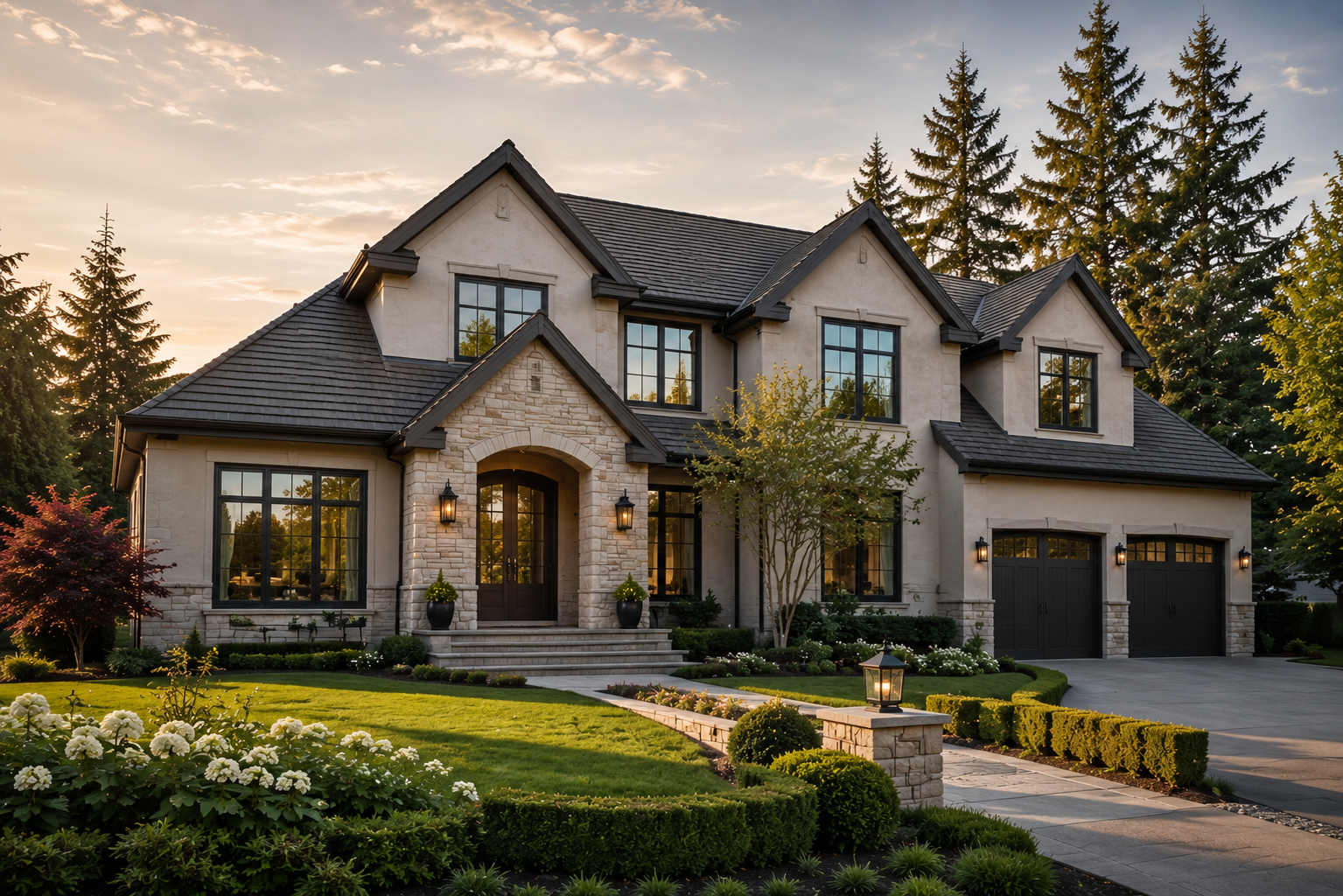
Preparing to Sell a Luxury Home: The Emotional and Practical Checklist for Upper-Market Sellers
Preparing to sell a luxury home is unlike any other real estate transaction — and if you've lived in yours for years, you already know that. The home you're selling isn't just a property. It's where your kids grew up, where you hosted every Thanksgiving, where you finally built the kitchen you always wanted. That emotional weight is real, and ignoring it doesn't make it go away. At the same time, the upper-market in Salem, Oregon and the broader Willamette Valley demands a level of preparation, precision, and patience that most sellers underestimate. Homes priced at $850,000 and above operate by different rules — and the sellers who come out ahead are the ones who treat this process like the high-stakes business decision it truly is.
We've helped sellers through this process in South Salem's hilltop neighborhoods, in the custom estates along the West Salem bluffs, and in the rural acreage properties of Polk County and Marion County. Every single time, the sellers who were most prepared — emotionally and practically — walked away with the best outcomes. This checklist is what we walk through with every one of our upper-market clients before we ever put a sign in the yard.
Step One: Acknowledge the Emotional Side of Preparing to Sell a Luxury Home
Let's start where most checklists don't: your feelings about leaving. It sounds soft, but it's one of the most practical things we can address — because unresolved emotional attachment is one of the top reasons high-value home sales stall, fall apart, or end in regret.
High-value homeowners have almost always made significant personal investments in their properties beyond the financial. Custom renovations, landscaping built over decades, a chef's kitchen designed to your exact specifications. These features mean the world to you. They may or may not mean the same to a buyer. And when you're sitting across from an offer that feels lower than your home deserves, it's almost impossible to negotiate clearly if you haven't already done the internal work of separating your identity from your asking price.
Practical detachment strategies that actually work:
- Reframe the home as an asset. Start referring to it internally as "the property" rather than "home." It sounds small — it makes a real difference at the negotiating table.
- Document and celebrate before you list. Take a private photo session, write down your favorite memories, plan a farewell dinner. Honoring the emotional chapter helps you close it.
- Talk to your agent candidly. We've had sellers tell us things in our first meeting they hadn't told their spouses. The more honest you are about your emotional state, the better we can support you through the process.
- Align with your co-seller early. If you're selling with a spouse or partner, make sure you're on the same page about timeline, price, and what "good enough" looks like. Misalignment between co-sellers is one of the most common deal-killers we see.
Detachment isn't about not caring. It's about caring for the right outcome — which means keeping your eye on where you're going, not just what you're leaving behind.
Setting the Right Timeline: What $850K+ Home Sales Actually Require
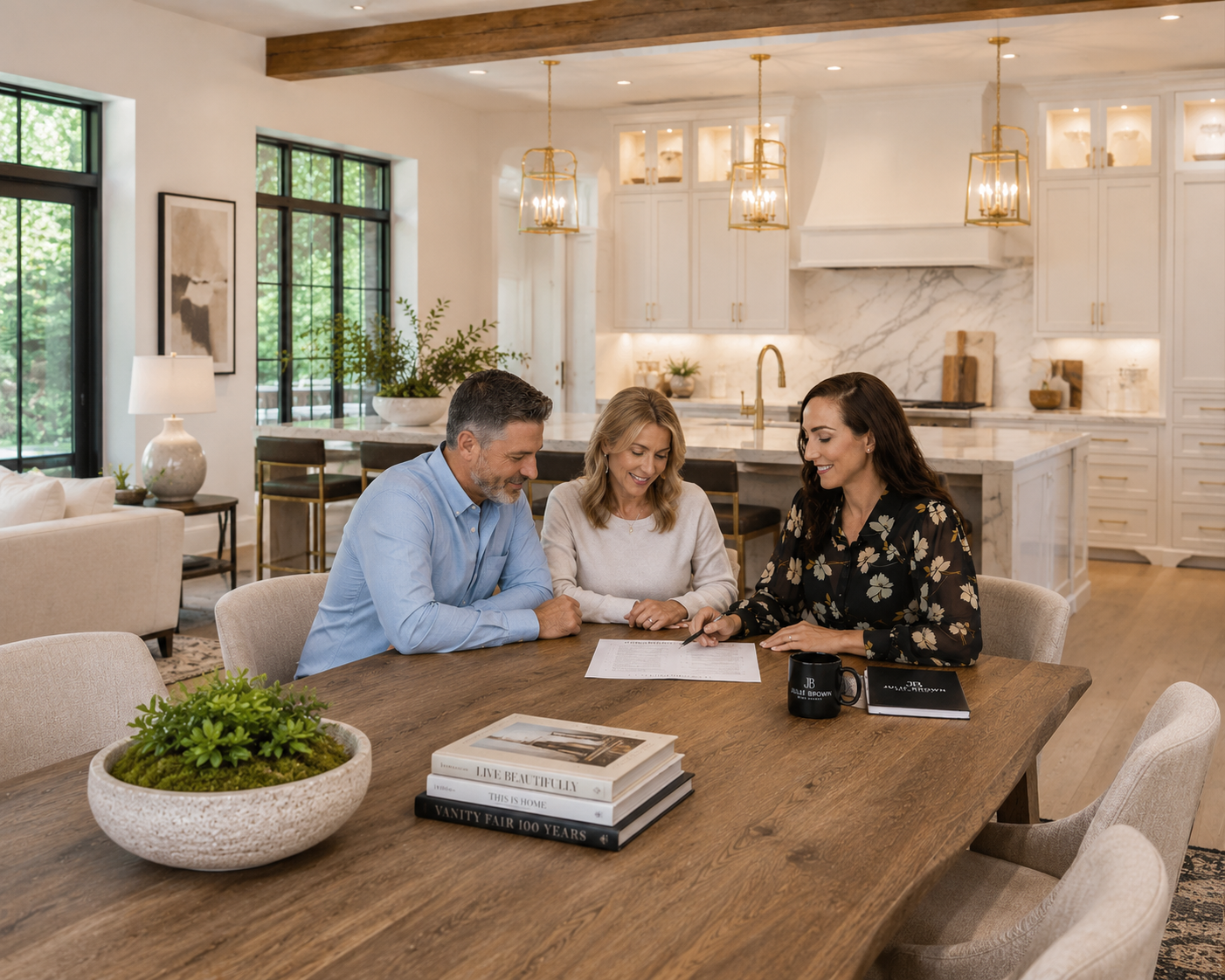
Here's the timeline reality we share with every upper-market seller in Salem: if you want to maximize your net proceeds, you need to start preparing to sell your luxury home at least 90 to 120 days before your target list date. Many sellers need longer. Here's what that looks like broken down:
120–90 Days Before Listing
- Initial strategy session with your agent — pricing philosophy, buyer profile, competitive set
- Pre-listing home inspection (we strongly recommend this for $850K+ homes — buyer inspections at this price point are intense, and surprises kill deals)
- Identify and prioritize repairs vs. updates vs. enhancements — not everything needs to be done; your agent should help you decide what moves the needle on price and what doesn't
- Begin decluttering — at this price point, buyers are buying a lifestyle, and clutter is the fastest way to undercut that
- Consult with a luxury stager before you renovate anything — stagers often redirect sellers away from expensive updates toward less costly, higher-impact changes
90–60 Days Before Listing
- Complete all high-priority repairs — roof certifications, HVAC service records, any deferred maintenance that will appear on an inspection report
- Begin landscaping and curb appeal enhancements — mature trees and established gardens take time to look their best; spring and early summer are ideal for Willamette Valley listings
- Deep clean and professional window washing — in our experience, this single detail transforms how natural light reads in listing photos
- Paint touch-ups or full interior repaint if needed — neutral palettes test better for luxury buyers across all our Salem-area markets
60–30 Days Before Listing
- Professional staging consultation and execution
- Pre-listing photography session — high-value homes require professional photography, twilight shots, aerial/drone footage, and often a 3D Matterport tour
- Review and finalize pricing strategy based on fresh comparable sales
- Prepare your disclosure documents — Oregon law requires detailed seller disclosures, and having these ready signals good faith to buyers and their agents
Final 30 Days
- Final staging walk-through and photo session
- Agent preview / broker open house
- Public launch — timing your list date to a Thursday or Friday maximizes first-weekend showing traffic
This isn't a rigid formula — every property is different, and so is every seller's situation. But the sellers who compress this timeline almost always leave money on the table, either through rushed repairs that buyers can detect, or through pricing decisions made without complete information.
Want the full version of this timeline with checklists for each phase? Download our free Home Sale Preparation Checklist — it's the same tool we use with our own clients.
Preparing to Sell a Luxury Home: Staging at the Upper-Market Level

Staging is not optional at the $850K+ price point. Period. Buyers in this segment are often comparing your home to new construction in areas like Rosemont Ridge in West Salem or the executive homes going up along Skyline Road in South Salem. They have options. What you're selling, in addition to square footage and finishes, is a feeling — and staging is how you manufacture that feeling at scale.
What luxury staging looks like in practice:
- It's not about filling space — it's about editing it. Upper-market staging often means removing 40–60% of a seller's existing furniture to let architectural details and views breathe. Your home may be beautifully furnished; it may still need to be re-imagined for photography and showing.
- The primary suite is your closing argument. In high-value homes, the primary bedroom and bath are second only to the kitchen in influencing buyer decisions. Invest here.
- Outdoor living spaces matter more than ever. In the Willamette Valley, where we genuinely enjoy nine months of livable outdoor weather, a well-staged covered patio or deck can meaningfully expand perceived living square footage — and perceived value.
- Art and accessories should be curated, not personal. Family photos, sports memorabilia, religious items — these aren't flaws, they're just reminders that buyers are in your home, not imagining themselves in theirs.
- Scent, sound, and temperature matter. Luxury buyers notice everything. Your home should smell neutral to slightly fresh (not artificial), be at a comfortable temperature for showings, and — where possible — have soft background music on during agent tours.
We work with a curated list of staging professionals who specialize in upper-market properties in Salem and the Willamette Valley. If you're curious about what staging might look like for your specific home, reach out — we're happy to connect you before you're ready to list.
Repairs vs. Updates vs. Enhancements: Knowing the Difference Can Save You Thousands
One of the most expensive mistakes upper-market sellers make is spending money on the wrong things. Here's a framework we use with our clients to sort priorities:
Repairs (Do These — They're Non-Negotiable)
These are items that will appear on a buyer's inspection report and give them leverage to renegotiate your price after you've accepted their offer. Think: roof at or beyond its useful life, HVAC systems that haven't been serviced, drainage issues, wood rot on trim or decking, outdated electrical panels, water intrusion evidence anywhere. Fix these before you list. At the $850K+ level, buyers and their agents are sophisticated — they will find these issues, and they will use them.
Updates (Be Strategic)
These are cosmetic improvements — fresh paint, re-grouted tile, refinished hardwood floors, updated light fixtures, new cabinet hardware. Many of these have strong ROI in terms of buyer perception. But not all updates are equal, and what works in one neighborhood may be irrelevant in another. Always consult your agent before spending money here. We've talked sellers out of full kitchen remodels that would have cost $60,000 and returned less than half of that in their specific submarket.
Enhancements (Optional, But Powerful)
These are the value-adds that can differentiate your home from the competition — smart home systems, outdoor kitchen upgrades, whole-house generator installation, custom closet systems, new landscaping. In a balanced or slower upper-market, these can matter. In a competitive one, buyers at this price point may simply expect them. Know your market before you invest here.
Pricing Strategy for Salem's Upper-Market: Setting Expectations Honestly
Pricing a high-value home in Salem is genuinely harder than pricing a home at the median. Here's why: the higher the price, the thinner the buyer pool. There are fewer comparable sales. Days on market tend to be longer. And buyers at the $850K+ level are often less emotionally driven and more analytically rigorous than buyers at lower price points — they've frequently bought and sold multiple properties, and they know what overpriced looks like.
At the same time, Salem's upper-market has real momentum. We've seen significant equity appreciation in South Salem's Morningside and Croisan Summit neighborhoods, in the equestrian properties of the surrounding Polk County foothills, and in the custom homes along Turner Road and the Cascade gateway communities like Silverton and Sublimity. Buyers relocating from the Portland metro — often trading in a Beaverton or Lake Oswego home for a larger, more private property in the Willamette Valley — are a consistent segment of our upper-market buyer pool. Many of them are used to Portland-area prices and see Salem as a genuine value.
What honest pricing strategy looks like:
- Price based on what comparable homes have actually sold for — not what they were listed at, not what you need to net, and not what Zillow says
- Understand that in the $850K–$1.5M range in Salem, overpricing by even 5–8% can dramatically extend your days on market, which itself becomes a liability — buyers ask "why has this been sitting?" and assume something is wrong
- Factor in carrying costs — property taxes, insurance, maintenance, and opportunity cost of capital — when evaluating price reduction decisions
- Build in a negotiation buffer, but don't confuse that buffer with overpricing — there's a meaningful difference
We use a proprietary pricing analysis process that goes beyond standard comps. If you'd like to understand what your home would realistically be positioned at in today's market, learn more about how we value upper-market homes in Salem.
Frequently Asked Questions About Preparing to Sell a Luxury Home
How far in advance should I start preparing to sell my high-value home?
For homes priced at $850,000 and above in the Salem, Oregon market, we recommend beginning preparation 90 to 120 days before your target list date — and often longer if significant repairs or renovations are involved. The upper-market has a smaller buyer pool, which means presentation and timing need to be near-perfect. Rushing the process almost always results in a lower sale price or a longer time on market.
Is professional staging really worth it for a luxury home in Salem?
Yes — and at the upper-market level, it's one of the highest-ROI investments a seller can make. Luxury buyers are comparing your home to new construction and other well-prepared listings. Staging helps your home photograph better, show better, and feel more aspirational to buyers. In our experience with Salem and Willamette Valley upper-market sales, professionally staged homes generate more showing traffic and stronger initial offers than comparable unstaged properties.
Should I do a pre-listing home inspection before selling my high-value home?
We strongly recommend it for homes in the $850K+ range. A pre-listing inspection gives you the opportunity to identify and address issues before they become buyer leverage in post-inspection negotiations. At this price point, buyers hire thorough, experienced inspectors — and surprises discovered during the buyer's inspection process can cost you significantly more in price reductions than the repairs would have cost upfront.
How do I handle the emotional difficulty of selling a home I've lived in for many years?
Acknowledge it — don't suppress it. We've found that sellers who try to push past the emotional weight of selling without addressing it tend to make reactive decisions during negotiations, become defensive about pricing, or struggle to make timely decisions. Practical strategies include reframing the home as a financial asset rather than a personal space during the transaction, documenting favorite memories before you list, aligning with any co-sellers on goals and expectations early, and working with an agent who creates space for honest conversation about both the practical and emotional dimensions of the sale.
What's the best time of year to list a high-value home in Salem, Oregon?
Spring — particularly late April through early June — is historically the strongest window for upper-market listings in the Willamette Valley. Landscaping looks its best, natural light is abundant, and buyer activity peaks seasonally. That said, the right time to list is when your home is genuinely ready: properly repaired, staged, photographed, and priced accurately. A well-prepared home listed in September will outperform a rushed listing in May every time. If your target is a spring launch, begin your preparation by January or February.
Get the Free Home Sale Preparation Checklist
We've taken everything in this post — and everything we've learned from years of upper-market transactions in Salem and the Willamette Valley — and distilled it into a single, printable Home Sale Preparation Checklist. It covers every phase of the preparation timeline, from your first agent conversation through your listing launch day. It's the exact tool we use with our own clients, and it's yours free.
Request your free Home Sale Preparation Checklist here, and one of us will get it to you — along with a quick note about your specific situation if you'd like to share it.
Gavin and Julie Wisser have helped upper-market sellers across Salem, West Salem, South Salem, Silverton, Polk County, and the broader Willamette Valley navigate exactly the kind of sale you're preparing for. We're ready to help you do it right — and walk away with what your home is truly worth.