
Published February 17, 2026
Most Affordable Neighborhoods in Salem, Oregon: Where to Buy Under $500k

If you're looking for affordable neighborhoods in Salem, Oregon, you're not alone. It's one of the most common questions buyers ask, and the answer has shifted quite a bit over the past few years.
The good news: Salem still offers genuinely affordable options compared to Portland, Bend, and most of the West Coast. Based on WVMLS data through January 2026, the average residential sale price across the Willamette Valley sits at $467,374, with homes selling at 98.65% of list price. That means sellers are pricing realistically, and buyers have room to negotiate.
But "affordable" doesn't mean the same thing in every neighborhood. Some areas offer lower prices because they're still developing. Others offer value because they've been quietly appreciating without the hype. And a few offer entry points that surprise people who assume Salem is out of reach.
Here's where to focus if you're buying under $500k in Salem right now, with real data behind every recommendation.
Central Salem: The Most Affordable Entry Point in the City
Central Salem is Salem's most affordable neighborhood by average sale price. In 2025, homes here averaged $362,004, and early 2026 data shows prices holding steady around $347,138.
That's not a typo. You can buy a home in the heart of Oregon's capital city for well under $400,000.
What You're Getting
Central Salem offers a mix of older homes, many built between the 1940s and 1970s, on established lots with mature trees. You're close to downtown, Willamette University, Bush's Pasture Park, and the State Capitol. If walkability matters to you, this is one of the few Salem neighborhoods where you can realistically leave the car at home for errands, coffee, and dining.
The tradeoff is that homes often need updating. You'll see original kitchens, older roofing, and floor plans that reflect a different era. But for buyers who don't mind putting some work into a property, Central Salem offers remarkable value for the location.
What the Numbers Say
Central Salem's average price of $362,004 in 2025 represents minimal change from $357,036 in 2024. That stability is actually an advantage for buyers—you're not fighting rapid appreciation or bidding wars. Homes here average 77 days on market, which gives you time to evaluate options and negotiate thoughtfully.
For first-time buyers especially, Central Salem is worth a serious look. If you're new to the homebuying process, our guide for first-time homebuyers in Salem walks through the entire process from pre-approval to closing.
North Salem and Suburban East: Established Value Under $455k
If Central Salem feels too urban or the homes are older than you'd like, the next tier of affordability is in North Salem and the suburban areas east of the city.
Suburban East
Suburban East averaged $444,721 in 2025, with homes holding around $451,171 in early 2026. This area sits northeast of Salem's core and includes several well-established subdivisions with homes from the 1980s through the 2000s.
What makes this area appealing is the balance between price and condition. Homes here tend to be newer than Central Salem, often with updated kitchens, larger garages, and more conventional floor plans. You're looking at three-bedroom, two-bath ranch homes on quiet streets, often with fenced yards and close proximity to parks and schools.
The one consideration: days on market in Suburban East average 149 days, which is higher than most areas. That might sound concerning, but it actually works in your favor as a buyer. It means less competition, more negotiating room, and sellers who are motivated to work with serious offers.
Suburban Southeast
Just south of Suburban East, this area averaged $447,947 in 2025. What makes Suburban Southeast stand out is the new construction activity. This is where many of Salem's builders have been most active, offering homes in the $400k-$500k range with modern floor plans and energy-efficient features.
Based on MLS data, new construction in this area averages $450,726 with 1,850 square feet. That's a lot of house for the money. Homes here also move faster, averaging just 63 days on market, which tells you buyers recognize the value.
Looking for a side-by-side comparison of Salem's neighborhoods? Download our free Salem Neighborhood Comparison Guide for detailed data on prices, schools, commute times, and lifestyle factors across every major area.
Keizer: A Separate City With Salem-Level Affordability
Keizer sits directly north of Salem and technically operates as its own city, but the two communities share so much infrastructure that most people think of them as one area. If you've been exploring the best suburbs near Salem, you've likely already looked at Keizer.
Why Keizer Makes the Affordable List
The average home price in Keizer was $478,817 in 2025—right at the top of the "under $500k" threshold. But plenty of homes here sell in the $400k-$475k range, particularly in established neighborhoods south of Lockhaven Drive and east of River Road.
Keizer offers something Central Salem and East Salem can't always match: newer homes in better overall condition. Many Keizer homes were built in the 1990s and 2000s, which means updated systems, more open floor plans, and less deferred maintenance.
The Practical Advantages
Keizer's average days on market is 77, and homes sell at close to list price. The community has its own parks system, a walkable downtown area along River Road, and easy access to I-5. For buyers who commute to Portland, Keizer actually offers a shorter on-ramp than most Salem neighborhoods.
One thing buyers sometimes overlook: Keizer has separate city services and slightly different property tax rates than Salem. It's worth comparing the total cost of ownership, not just the purchase price.
East Salem and Southeast Salem: The Sweet Spot for Families
East Salem and Southeast Salem are often grouped together, but they serve slightly different buyers.
East Salem: Budget-Friendly With Improving Reputation
East Salem has historically been one of Salem's most affordable areas, with neighborhoods like Santana Village, Four Corners, and Lancaster offering homes under $400,000. The area includes a mix of ranch-style homes from the 1960s and 1970s alongside some newer development.
This pocket of Salem also includes new construction neighborhoods like East Park. Just off Cordon Road between Auburn Road and State Street, this D.R. Horton subdivision includes homes ranging from 1630 SqFt to 2535 SqFt and priced between $429,995 and $499,995, providing some great value and peace of mind.
The honest assessment: East Salem is a neighborhood you need to drive before you decide. There's real variation block by block. Some streets are well-maintained with strong community pride, while others show more wear. But for buyers who take the time to explore, there are genuine gems here—especially for those willing to look past cosmetic updates and focus on structure and location.
Southeast Salem: Better Data Than Its Reputation
Southeast Salem surprises a lot of buyers. The average price of $525,866 in 2025 puts it above the $500k mark, but there's meaningful inventory below that threshold, particularly in older subdivisions and along the Commercial Street corridor.
What's notable is the appreciation trend. Southeast Salem has seen consistent year-over-year growth: from $482,439 in 2023 to $507,208 in 2024 to $525,866 in 2025. That 3-5% annual appreciation suggests the area is being recognized for value that was always there.
For a broader look at how all of Salem's neighborhoods compare, including areas at higher price points, our complete 2026 neighborhood guide covers every major area with current data.
What "Affordable" Actually Means in Salem's 2026 Market
Let's put Salem's affordability in perspective. The median home price across Oregon is roughly $472,000. Portland's median sits well above $500,000. Bend is pushing past $650,000.
Salem's overall average of $467,374 is competitive with the state, but several Salem neighborhoods come in significantly below that number. Here's how they stack up:
Under $400k average:
- Central Salem: $362,004 (2025 average)
$400k-$475k average:
- Suburban East: $444,721
- Suburban Southeast: $447,947
- Keizer: $478,817 (just above, but significant inventory below $475k)
$475k-$530k average:
- Southeast Salem: $525,866
- West Salem: $516,788
The January 2026 data also shows something worth noting: closed sales were down about 16% compared to January 2025, while active listings increased by 2.86%. That combination—fewer buyers competing for slightly more inventory—creates a more favorable environment for budget-conscious purchasers.
Practical Tips for Buying Affordable in Salem
Understanding which neighborhoods are affordable is the first step. Making the most of that affordability requires some strategy.
Look at Days on Market as an Opportunity
In areas like Suburban East (149 days average) and Southeast Salem (136 days average), longer market times mean sellers have been waiting. A well-structured offer on a home that's been listed for 90 or more days carries more weight than the same offer on a home that just hit the market.
Consider What Appreciation Looks Like From a Lower Entry Point
A 3% appreciation rate on a $350,000 home adds $10,500 in equity per year. That same rate on a $600,000 home adds $18,000—but you're also carrying a larger mortgage, higher taxes, and more maintenance costs. Starting at a lower price point doesn't mean you're building less wealth. It often means you're building it more efficiently.
Factor in Total Cost, Not Just Purchase Price
A $450,000 home in an area with $250/month HOA fees costs more over time than a $475,000 home without one. Older homes in Central Salem may carry lower purchase prices but higher near-term maintenance costs. Newer construction in Suburban Southeast may have higher prices but lower first-decade maintenance. Think holistically about what you'll spend over the first five years, not just what you'll spend at closing.
Don't Dismiss a Neighborhood Before You've Driven It
This is especially true for East Salem and parts of North Salem. Online reviews and reputation lag behind reality. Many of these neighborhoods have seen meaningful investment and improvement over the past several years. The only way to know what a street actually feels like is to drive it at different times of day.
What This Means for Your Search
Salem's most affordable neighborhoods aren't just "cheap"—they represent genuine value for buyers who know what to look for. Central Salem offers unbeatable proximity to downtown at prices that would be unthinkable in Portland. Keizer delivers newer homes with a small-town community feel. East Salem and the suburban areas give families room to grow without stretching their budget.
The key is matching your priorities to the right area. If walkability and character matter most, Central Salem is your answer. If you want newer construction and a suburban feel, Suburban Southeast delivers. If community identity and commuter access are priorities, Keizer checks both boxes.
Whatever your budget, working with someone who knows these neighborhoods block by block makes a significant difference. Not every $400,000 home is created equal, and the nuances between streets, subdivisions, and school boundaries can make or break your experience in any neighborhood.
If you'd like to explore specific options in any of these areas, we're happy to walk you through current inventory and recent sales data. No pressure—just the information you need to make a confident decision.
Ready to compare Salem's neighborhoods side by side? Download our free Salem Neighborhood Comparison Guide for detailed pricing, school ratings, commute times, and lifestyle data for every major Salem area. It's the same data our clients use to make informed decisions about where to buy.
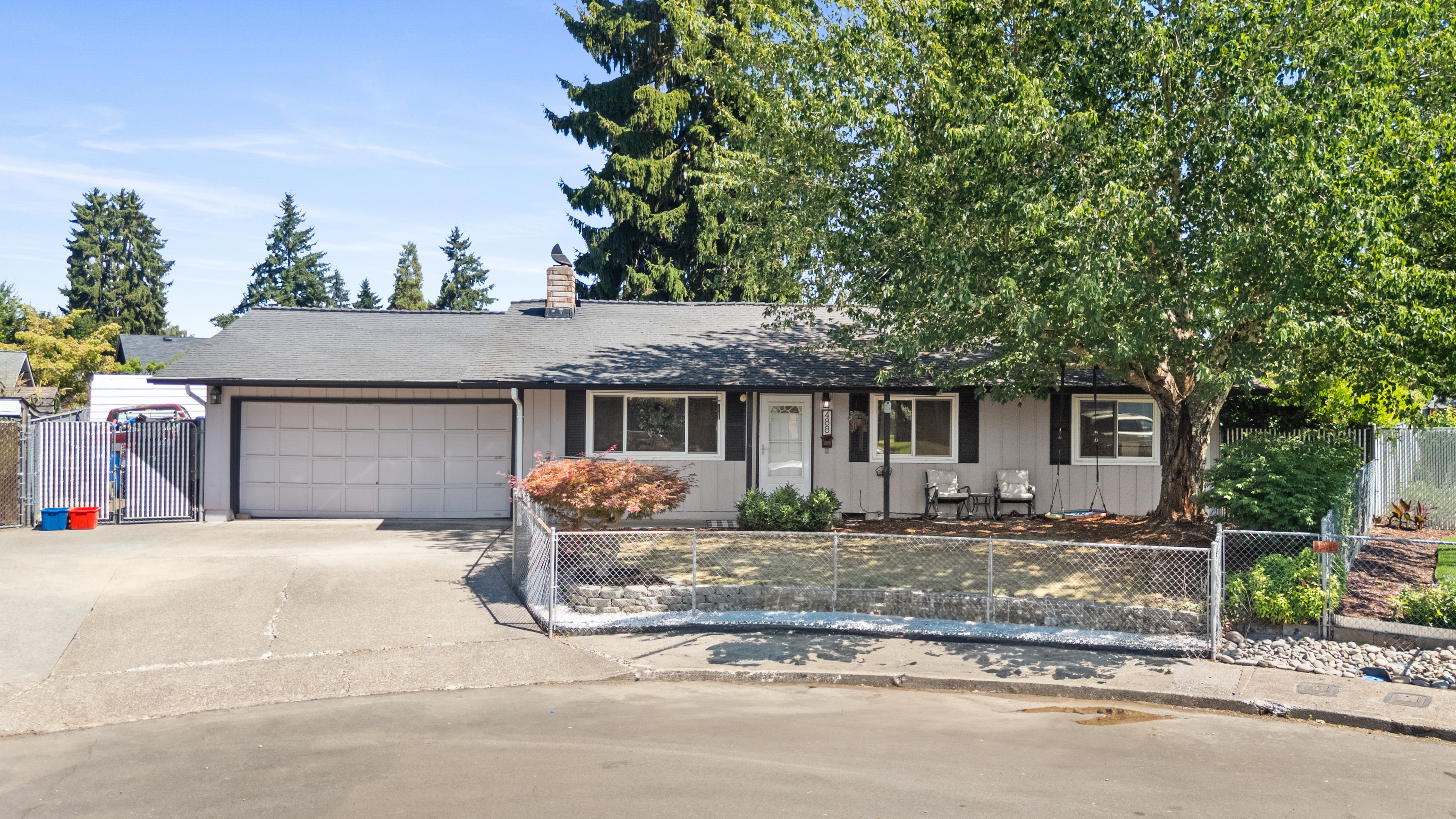
Photo: 488 Twilight Ct SE
or another way