
Published February 12, 2026
Common Mistakes Buyers Make Above $500k in Salem (And How to Avoid Them)

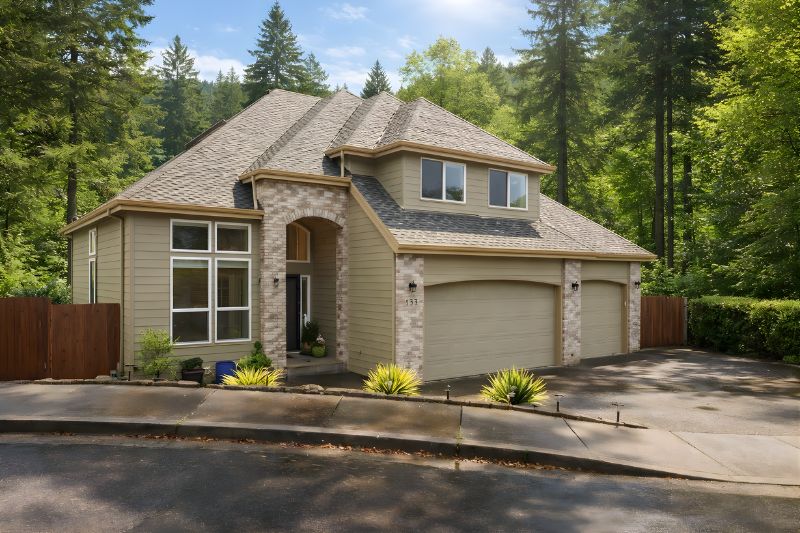
If you're buying a home between $500k and $750k in Salem, you're entering a market with real advantages—if you know how to use them.
Homes in this range averaged 95-117 days on market over the past year, compared to 89 days overall. That's not a weakness, that's time on your side. Time to evaluate thoroughly, negotiate strategically, and make decisions based on facts rather than pressure.
But here's what buyers at this price point need to understand: you're typically looking at one of three scenarios in Salem's established neighborhoods.
What Actually Exists at This Price Point in Salem
Scenario 1: Established neighborhood homes (1950s-1970s)
You'll find these primarily in South Salem and West Salem. Solid locations. Mature trees. Good bones. But also 50-70 years of life, which means systems have been replaced at least once—and may need replacing again.
Scenario 2: Late 80s to early 2000s construction (2,000-3,000 sq ft)
This is the bulk of available inventory in broad areas of South Salem, West Salem, and North Keizer. These homes were built well, but original systems are now 20-40 years old. Roofs, HVAC, water heaters—many are approaching or past their expected lifespan.
Scenario 3: Newer construction (1990-2010+)
South Salem, West Salem, and North Keizer have higher concentrations of homes from the 1990s through 2010. Some neighborhoods also have brand-new construction. These homes require less immediate attention but command premium pricing.
The Reality of "Move-In Ready" at This Price
Here's what we're seeing in the current inventory:
Most homes at this price point have been updated in stages over time. A kitchen remodeled in 1998 with flooring from 2012. One bathroom updated in 2020 while the other two remain original. Partial window replacements. A mix of siding materials added over decades.
This isn't a red flag. It's the reality of homeownership over 20-40 years and, maybe, a little insight into how well a home has been maintained.
The homes that stand out? They've been comprehensively updated: quartz counters (even on original cabinets with new hardware), LVP flooring throughout, fresh paint, updated lighting, new appliances, newer roof, updated bathroom vanities and lighting.
These homes move faster. If you love it, chances are someone else will too - especially if it just came to your attention through a price adjustment. That price change shows up for other buyers at the same time.
But here's the kicker: most homes at this price point haven't had comprehensive updates. Which means you likely have options and negotiating room.
What to Budget for Major Systems
If you're looking at a home where systems are original or aging, here's what replacement costs look like in Salem:
Roof: $15,000-$18,000 (typical lifespan: 20-25 years)
HVAC (furnace + AC): $15,000-$20,000 (typical lifespan: 15-20 years)
Water heater: $1,800 (typical lifespan: 10-12 years)
If a home built in 1995 still has its original roof and HVAC, you're looking at $30,000-$38,000 in near-term replacements. That's not speculation—it's planning.
The question isn't "should I avoid homes with aging systems?" The question is: "Does the price reflect this reality?"
-----
Want to see how homes in your target price range compare across South Salem, West Salem, and North Keizer? Download our Salem Neighborhood Comparison Guide for side-by-side data on prices, days on market, and what each area offers.
-----
Why This Market Actually Favors Strategic Buyers
Here's what the current data tells us:
Homes in the $500k-$659k range averaged 95-110 days on market. At $710k-$750k, that extends to 117 days. Compare that to the overall Salem market at 89 days.
Homes are selling at 98-99% of list price across South Salem, West Salem, and Southeast Salem. That's not "buyers have no leverage." That's 1-2% negotiating room—which translates to $5,000-$15,000 on a $650,000 home, or enough to cover a new roof or HVAC system.
You're not competing with first-time buyers or volume investors. The buyer pool is smaller, which means less pressure to waive contingencies (which we don't recommend) or make emotional offers.
Sellers at this price point can afford to wait. But that also means they're realistic. They know what's on the market. They know their home competes with others in the same condition.
How to Approach This Market
This is why we evaluate homes case-by-case and why process matters:
See homes in person, in daylight. Photos hide a lot. Natural light reveals everything—from aging systems to deferred maintenance to quality of updates.
Keep your inspection and suitability contingencies in place. This isn't about being afraid. It's about being informed. A good inspection tells you exactly what you're buying and what it will cost to maintain.
Budget for reality, not best-case scenarios. If systems are original or aging, assume they'll need replacement within 1-3 years. If you can't afford that on top of your down payment and monthly costs, adjust your target price range.
Understand what "competitive" looks like. If a home has been comprehensively updated, it will move quickly even in this slower market. If you find one you love, act decisively—but intelligently.
Know which neighborhood fits your priorities. South Salem offers established neighborhoods with mature landscaping and proximity to parks. West Salem attracts commuters who want more space. North Keizer provides newer construction at slightly lower price points. Each area has trade-offs.
The Numbers by Area
Here's how the market performed over the past year:
South Salem: $574,172 average sale price, 83 days on market
West Salem: $516,788 average sale price, 87 days on market
Southeast Salem: $525,866 average sale price, 95 days on market
Notice something? Even within the $500k-$750k range, days on market vary by location and condition. The best homes in any price range sell the fastest.
What This Means for You
If you're buying at this price point in Salem, you have time and leverage—use both strategically.
Don't rush because you think the market demands it. It doesn't. But don't wait because you're hoping for perfection. It's rare.
Instead, evaluate each home for what it is:
- What needs attention now?
- What can wait 3-5 years?
- Does the price reflect deferred maintenance?
- If this home needed major systems tomorrow, could you handle it financially?
The buyers who succeed at this price point aren't the ones who find the perfect home. They're the ones who understand what they're buying, budget realistically, and negotiate from a position of knowledge rather than emotion.
Key Takeaways
The $500k-$750k market in Salem rewards strategic thinking:
You have time to evaluate (95-117 days average vs. 89 overall). Use it to see homes in daylight, run the numbers, and keep contingencies in place, but remember - the best homes still sell quickly.
Most homes have been updated in stages. Comprehensive updates are rare—and those homes move fast when they hit the market.
Budget for reality. If systems are original or aging, plan for $30k-$40k in near-term replacements. If the price doesn't reflect that, negotiate.
Location affects timeline. South Salem, West Salem, and North Keizer each attract different buyers and move at different speeds. Great options can be found across all of Salem and Keizer.
Negotiating room exists. Homes are selling at 98-99% of list price, leaving space to account for deferred maintenance or needed updates. This doesn't include negotiated seller credits, which could save you even more.
The best approach is case-by-case. Every home is different. Every situation is unique. Smart buyers evaluate on facts, not assumptions.
If you're seriously looking in the $500k-$750k range, let's talk about what's realistically available and how to evaluate it strategically. We'll walk through current inventory, run the numbers on any home you're considering, and make sure you're making an informed decision—not a pressured one.
or another way