
Published January 29, 2026
Should You Sell First or Buy First in Salem, Oregon? How to Decide in 2026

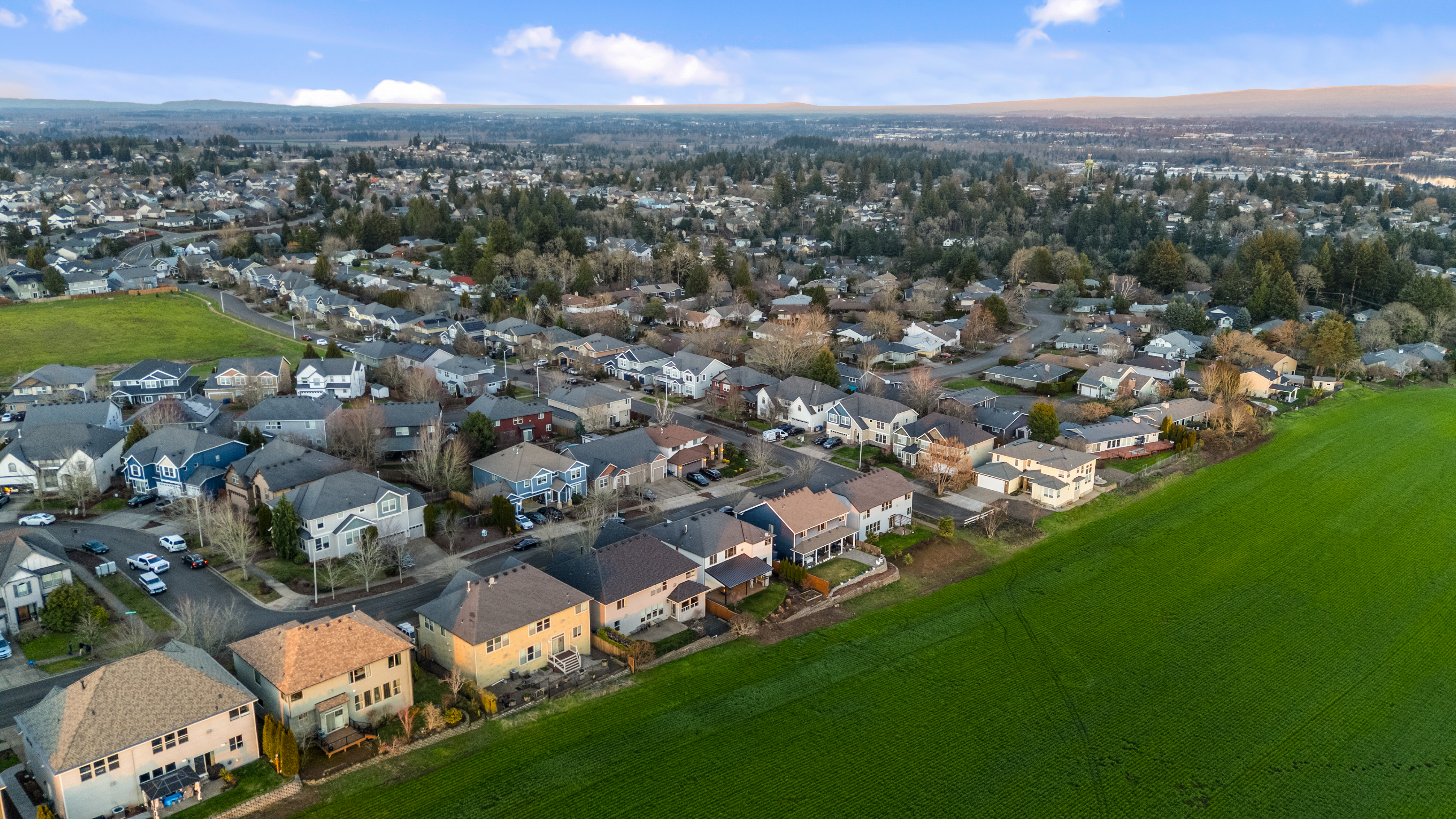
If you already own a home in Salem and you're planning to move, this question comes up immediately: should you sell first or buy first?
There's no single right answer. The decision depends on your equity position, risk tolerance, the Salem market conditions, and what kind of home you're moving into. For homeowners in the $450k to $850k range—and especially those downsizing from larger properties—the stakes are real.
This post walks through both paths, how the current Salem market affects the decision, and what local homeowners are actually doing right now.
Why This Decision Matters More in Salem's 2026 Market
The Salem real estate market has settled into a more balanced state than the wild swings of 2021-2023. That's good news for planning, but it also means timing and execution matter more than they used to.
Here's what we're seeing in early 2026:
Inventory is better but still selective. Homes in the $450k to $850k range—especially well-maintained single-family homes in South Salem, West Salem, and Keizer—are moving when priced correctly. Homes that miss the mark on price or condition sit longer than sellers expect.
Days on market matter. In South Salem, homes under $700k that are priced accurately average around 18-23 days on market. Overpriced homes in that same range can sit for 60+ days and require price reductions.
Buyers are decisive but cautious. They're not making offers on everything they see, but when they find the right property at the right price, they move quickly. This means good homes still generate competition—but only if they're priced and presented well.
What this means for you: selling first gives you certainty, but buying first can work if you have a clear plan and the financial flexibility to execute it.
Option 1: Sell Your Salem Home First, Then Buy
This is still the most conservative and predictable route, especially for downsizers and anyone who needs to access their equity to fund the next purchase.
Why Salem Homeowners Choose to Sell First
You know exactly what you're working with. Once your home sells, you have a clear budget for your next purchase. No guessing about final sale price or how much cash you'll walk away with.
You eliminate the risk of carrying two mortgages. Even briefly, two mortgage payments create financial pressure. Selling first removes that scenario entirely.
You're not under pressure to accept a weak offer later. If you buy first and your sale drags, you might feel forced to accept terms or a price you wouldn't otherwise consider.
For many Salem homeowners—particularly those in their 60s and 70s who are downsizing from larger homes—this path brings peace of mind. They want clarity before committing to the next phase.
The Real Tradeoff: Temporary Housing
The challenge with selling first is you may need a short-term plan between homes.
Options include:
Rent-back agreements: In Salem, these are common and often negotiable. If your home is priced well and a buyer wants it, they're frequently willing to let you stay 30-60 days after closing. This gives you time to close on your next home without moving twice.
Short-term rentals: If a rent-back isn't an option, a month-to-month rental can bridge the gap. Not ideal, but manageable.
Staying with family temporarily: Some sellers have this flexibility and use it to avoid rental costs.
The key is building this into your plan from the start, not scrambling once you're under contract.
When Selling First Makes the Most Sense
This approach works best if:
- You need your equity to fund your next down payment
- You want financial certainty before committing
- You're flexible about temporary housing for 30-90 days
- You're downsizing and not competing for rare inventory
- You'd rather move twice than risk carrying two properties
If you're planning to downsize from a larger Salem home, selling first often aligns with the strategic, low-pressure approach many homeowners prefer.
Option 2: Buy Your Next Salem Home First, Then Sell
This option is about control and timing, not speed.
Why Some Salem Buyers Choose This Path
You lock in the next home without pressure. If you find the right property—especially a single-level home in a desirable Salem neighborhood where inventory is thin—you can secure it without worrying about your sale timeline.
You avoid temporary housing. You move once, from your current home directly into the new one. No rent-backs, no month-to-month rentals, no storing furniture.
You can prepare your current home properly for sale. Once you've moved out, you can stage it better, make repairs without living around construction, and market it without showings disrupting your daily life.
In certain parts of Salem—particularly South Salem and West Salem—the right single-level home or well-maintained property in the $600k-$800k range doesn't come up often. When it does, waiting could mean losing it to another buyer.
The Risks You Need to Manage
You may carry two homes briefly. Even if it's only 30-60 days, that's two mortgage payments, two utility bills, and two property tax obligations.
Your sale price needs to land where expected. If you overestimate what your current home will sell for, you could end up with a cash shortfall or need to adjust your expectations quickly.
Your lender must approve the structure. Not every lender will qualify you for two mortgages simultaneously, even if you have strong equity. You need to know this before making an offer.
When Buying First Makes the Most Sense
This approach works best if:
- You have significant equity in your current home
- You can qualify for two mortgages (or have another financing solution)
- The next home is rare inventory you can't risk losing
- You want to avoid moving twice and temporary housing
- You're confident your current home will sell quickly when priced correctly
For buyers looking at well-located Salem homes in the $600k-$800k range, inventory can be limited. If the right home appears, buying first can make strategic sense—if you have a solid plan to sell.
Bridge Loans, HELOCs, and Equity-Based Solutions in Salem
This is where 2026 looks very different than a few years ago.
Many Salem homeowners don't realize they can use their existing equity to bridge the gap cleanly between buying and selling.
Common Solutions
Bridge loans: Short-term financing that uses your current home's equity to fund the down payment on your next home. You pay it back when your original home sells.
Home equity lines of credit (HELOCs): Tap into your equity to cover the down payment, then pay it off after closing your sale.
Contingent offers structured correctly: In some cases, you can make an offer on a new home contingent on selling your current home—but these are less competitive in tighter inventory situations.
These tools aren't right for everyone. But when they fit—when you have strong equity, good credit, and a clear exit strategy—they can remove most of the stress and risk from buying first.
Talk to your lender early. Understanding your options before you start looking gives you clarity and confidence.
How Salem's Market Conditions Affect Your Decision
Local market realities matter more than national trends.
In Salem right now, we're seeing:
Strong demand for well-maintained homes. Buyers in the $450k-$850k range want move-in-ready properties in good neighborhoods. Homes that check those boxes move quickly.
Clear penalties for overpricing. Homes that start too high sit longer, generate fewer showings, and often sell for less than if they'd been priced correctly from the start.
More negotiation room than 2022-2023. Buyers have more leverage than they did during the peak. That means pricing strategy and preparation matter more.
Neighborhood-specific inventory levels. Some Salem neighborhoods have more options than others. If you're moving from South Salem to another area with more inventory, buying first becomes easier. If you're trying to buy in South Salem where single-level homes are scarce, the timing gets trickier.
The key insight: sequencing matters less than execution. A smart pricing strategy and proper preparation beat perfect market timing every time.
What Salem Downsizers Should Think About Differently
Downsizing isn't just a real estate transaction—it's a life transition.
Many homeowners in their 60s and 70s are selling larger Salem homes and looking for:
- Single-level living
- Lower maintenance
- Smaller yards
- Predictable costs
- Less stress, not more
For this group, selling first often brings more peace of mind. But buying first can make sense if the right home checks every box and inventory is limited in your target neighborhood or price range.
The key is not rushing either decision.
If you sell first, build in enough time to find the right next home without pressure. If you buy first, make sure your current home is ready to go on the market immediately and priced to sell quickly.
We've worked with many Salem downsizers who structured their moves successfully both ways. The path depends on your specific situation, not a one-size-fits-all rule.
The Hidden Cost Most People Miss: Stress and Uncertainty
This doesn't show up in spreadsheets, but it's real.
Carrying uncertainty for months takes a toll. Rushing into a purchase because you're afraid of missing out creates regret. Rushing a sale because you're carrying two mortgages leaves money on the table.
The best plans reduce pressure on both sides.
That usually means:
- A clear pricing strategy based on actual market data
- Realistic expectations about timing
- Backup plans that are actually usable (not theoretical)
- Financial clarity before making commitments
Having a structured approach—like working through a home sale preparation checklist before listing—can make the entire process feel more manageable.
How the Wisser Homes Team Typically Structures This With Clients
When we work with Salem homeowners navigating this decision, we start with numbers and timelines, not opinions.
We look at:
Net proceeds, not just estimated value. What you'll actually walk away with after closing costs, repairs, and payoffs—not what Zillow says your home is worth.
Time-adjusted pricing scenarios. What happens if your home sells in 20 days versus 60 days? How does that change your buying timeline and options?
Market reaction at different price points. What kind of buyer activity and competition can you expect based on current Salem market conditions?
Short-term housing or rent-back options. What's realistic, what's typical in Salem, and what sellers are successfully negotiating right now.
Financing flexibility before offers are written. Understanding what your lender will approve—and what tools are available—before you make a commitment.
From there, the order usually becomes obvious.
Sometimes sell-first wins because certainty matters most. Sometimes buy-first is cleaner because the right home is rare and you have the equity to make it work. Sometimes we structure both simultaneously with contingencies and clear backup plans.
The goal is never to push one path over another. It's to remove surprises and give you control.
Practical Takeaways
- If certainty and financial clarity matter most, selling first usually wins
- If the next home is rare inventory and you have strong equity, buying first may be worth it
- Equity-based tools like bridge loans and HELOCs can remove most of the risk from buying first
- Pricing correctly matters more than timing perfectly
- A structured plan beats a guess, every time
- Salem's market rewards homes that are well-prepared and correctly priced—timing the order matters less than executing both transactions well
Final Thought
This decision doesn't need to feel overwhelming.
With the right structure and a clear understanding of your equity, budget, and timing, most Salem homeowners can move once, protect their proceeds, and stay in control throughout the process.
If you're thinking about a move in 2026 and want to walk through the numbers and options specific to your situation, that conversation alone often brings clarity. We can look at what your home would realistically sell for in today's market, what your net proceeds would be, and how that shapes your buying timeline and options.
Want to see current market data for Salem homes in your price range? Download our free Salem Neighborhood Comparison Guide to compare pricing, inventory levels, and days on market across South Salem, West Salem, Keizer, and other key areas.
or another way