
Published March 6, 2026
How to Prepare a High-End Home for Serious Buyers (Not Lookers)

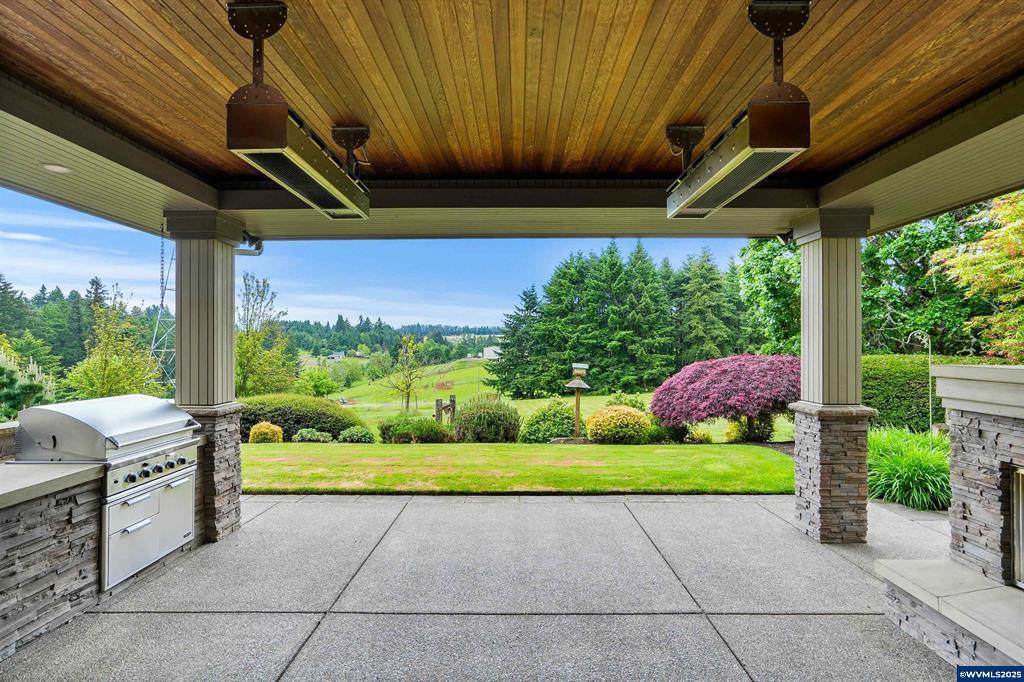
Preparing a luxury home for sale is not the same as preparing any other home for sale. The buyers who walk through an $850,000 or $1.2 million home in South Salem or West Salem have seen a lot of houses. They know what things cost. And they form opinions fast—often before they've reached the kitchen.
But here's what most sellers get wrong: they spend weeks and thousands of dollars on the wrong things. They repaint every room, replace appliances, or tackle a list of repairs they assume buyers will demand—only to find out that buyers find new things to negotiate during inspection anyway.
The smarter approach is to focus entirely on how the home shows, and let the transaction handle the rest.
Why Pre-Listing Repairs Usually Don't Pay Off
It's a reasonable instinct. You want the home to be as close to perfect as possible before it goes on the market. The problem is that buyers always find something in an inspection, no matter how thorough you've been. That's not a knock on inspectors or buyers—it's just how inspections work. A 3,000 square foot home that's been lived in for fifteen years will have a list.
If you've already spent $8,000 fixing things pre-listing, and the buyer comes back with a repair request anyway, you've spent that money twice. Worse, if you've replaced a water heater or repainted rooms the buyer planned to renovate, you've invested in something they didn't value.
Our general philosophy: show the home beautifully, price it correctly, and handle repair negotiations as part of the transaction where you have leverage and context. That approach consistently produces better outcomes for sellers than front-loading repairs based on assumptions.
What Actually Moves the Needle Before You List
The goal is to make the home look and feel like it belongs at its price point. That's about presentation, not renovation. Here's where the energy and budget should go.
Curb Appeal and Exterior
This is the first thing buyers see—in photos and in person. At the upper price point, the exterior has to match the listing price before anyone steps inside.
Mow and edge the lawn cleanly. Pressure wash the driveway, walkways, and any exterior surfaces that show grime or mildew. Trim overgrown shrubs. Add fresh mulch to planting beds. Touch up any peeling or chipped exterior paint rather than repainting the whole house. Make sure the front door area is clean and welcoming—a new door mat and clean light fixtures go a long way.
Buyers in South Salem and West Salem neighborhoods are used to well-maintained homes. If the exterior looks neglected, they'll assume the interior has been treated the same way.
Deep Clean—Everything
A deep clean is one of the highest-return investments a seller can make. It costs relatively little and changes the way a home feels immediately. This means baseboards, window tracks, grout lines, inside cabinets, ceiling fans, light fixtures, and every surface a buyer might touch or look closely at.
Have carpets professionally cleaned. Clean windows inside and out so natural light comes through clearly. If there are pets, address odors thoroughly—this is one of the fastest ways to lose a buyer's interest and one of the easiest to fix before it becomes a problem.
Declutter and Depersonalize
Buyers need to be able to picture their life in the home, not yours. That means pulling back on personal collections, family photos, and anything that fills surfaces or competes for visual attention.
This isn't about making the home feel sterile. It's about creating breathing room so the architecture and layout are what buyers notice, not the stuff in the rooms. Closets matter too—buyers open them, and a packed closet signals a lack of storage even when the closet is actually a generous size.
Touch-Up Paint Where It Counts
You don't need to repaint the whole house. But scuffs in high-traffic areas, nicks on door frames, and worn trim around doors and windows are worth addressing. These small things add up visually and can make a well-maintained home look tired in photos.
Stick to touch-ups on existing colors unless a room has a very bold or dated color that genuinely needs to be toned down. Full paint jobs rarely return their cost, and neutral paint alone doesn't justify the expense or timeline.
Staging
Professional staging is worth the investment for homes in the $750k+ range. A good stager works with your existing furniture and supplements where needed to help each room show at its best in photos and in person.
Staging is not the same as decorating. The goal isn't to make the home look like a showroom in someone else's taste—it's to create clear sightlines, balanced furniture arrangements, and a sense of scale that photographs well and feels inviting during showings. For homes in the $850k–$1.2M range, staging typically runs $2,000–$5,000 and routinely reduces days on market.
The First 90 Seconds of Every Showing
Most buyers form a strong initial impression within the first minute or two of walking in. That window is shaped almost entirely by things that have nothing to do with the kitchen or the primary suite.
Light
Open every window treatment before showings. Replace any dim or inconsistent bulbs with daylight-temperature LEDs throughout. No room should feel dark or cave-like. If a room has limited natural light, targeted lamp placement can make a meaningful difference in how it shows—both in person and in listing photos.
Smell
This one is easy to overlook because you've been living in the home. Have someone else walk through and give you an honest read. Fresh air before showings is the gold standard. Skip the artificial air fresheners—they signal something being covered up rather than addressed.
Temperature and Comfort
A home that's too warm or too cold during a showing creates discomfort that buyers associate with the home itself. Keep it at a comfortable temperature. Make sure pets are secured and out of sight. Clear any clutter from the garage—buyers always check, and a packed garage raises questions about storage.
Timing, Discretion, and Going Live the Right Way
Above $850k, how your home enters the market matters almost as much as the preparation itself. Upper market buyers follow inventory closely. They notice when a home comes back at a lower price or sits for longer than expected—and they interpret those signals as problems, even when the real issue was just a premature launch.
Don't Go Live Until You're Ready
The days-on-market clock starts the moment your home hits the MLS. Any days spent still preparing, or any early showings that result in tepid feedback, are costing you perception in the market. Take the time to do the preparation work first, then launch with strong photos and the home fully ready to show.
Photos Are Your Real First Impression
Most buyers find your home online before they ever schedule a showing. Professional photography is not optional at this price point. The preparation work you've done—the staging, the deep clean, the curb appeal—has to translate into photos that make buyers want to see it in person. Budget for professional photography and, where the home warrants it, video or a 3D walkthrough.
The Right Sequence
The sequence that consistently works best: start with a pre-listing walkthrough with your agent, identify the specific presentation work the home needs, complete that work, stage and photograph, then launch. Not the other way around.
For a detailed breakdown of the preparation timeline, see our pre-listing checklist for Salem sellers—it covers what to tackle 60 days out versus the final two weeks before going live.
Practical Takeaways
- Skip pre-listing repairs as a default. Buyers find things in inspection regardless. Handle repair negotiations in the transaction where you have context and leverage.
- Invest in presentation. Mow, edge, pressure wash, deep clean, declutter, touch up paint, and stage. These are the things that change how a home feels to a buyer.
- Smell and light shape the first impression. Address both before every showing.
- Professional staging pays off above $750k. It reduces days on market and helps the home photograph well—which is where the real first impression happens.
- Don't rush to go live. A clean, well-prepared launch creates momentum. Momentum matters more at this price point than speed.
If you're thinking about selling a higher-end home and want a straight read on what your specific property needs before listing, we're happy to walk through it with you. Reach out here and we can set up a time to talk.
And if this is part of a bigger life transition, our post on downsizing in Salem covers a lot of the same ground from a different angle.
Free Download
Home Sale Preparation Checklist
A step-by-step checklist for sellers in the $600k+ market—what to do, in what order, and what to skip.
Download the Free ChecklistFrequently Asked Questions
Should I make repairs before listing a high-end home?
In most cases, no—at least not as a default strategy. Buyers will always find items during inspection regardless of how much pre-listing work you've done, which means pre-listing repairs often cost money without changing the negotiation outcome. A better approach is to focus on how the home shows—clean, staged, and well-presented—and handle repair requests as part of the transaction where you have more leverage and context.
What's the most important thing to do before listing a luxury home?
A thorough deep clean and declutter will do more to change how a home feels to buyers than almost anything else. Beyond that, curb appeal—mowing, edging, pressure washing, touch-up paint on the exterior—shapes the first impression before buyers even walk in. Stage the interior for photos and showings, and make sure light and smell are addressed before every showing.
Is professional staging worth it for homes above $850k?
Yes. Staging helps buyers understand the scale and flow of a home, makes listing photos significantly better, and typically reduces days on market. For upper-market homes in Salem, professional staging usually runs $2,000–$5,000—a small cost relative to the price point and the impact on how the home is perceived.
How long does it take to prepare a high-end home for sale?
Most homes in the $850k+ range need 3–6 weeks of preparation time from the initial walkthrough to being truly ready to list. The most common mistake is rushing this timeline and going live before the home is showing at its best, which costs more in market perception and days on market than the time saved.
Does curb appeal really matter at higher price points?
More than most sellers expect. In neighborhoods like South Salem and West Salem, buyers arrive with elevated expectations. The exterior is the first thing they see in photos and the first thing they see in person. A clean, well-maintained exterior signals that the rest of the home has been cared for the same way—which shapes how buyers interpret everything they see inside.
or another way