
Categories
Downsizing & Life TransitionsPublished February 19, 2026
Downsizing From a Custom Home: How to Let Go of What You Built

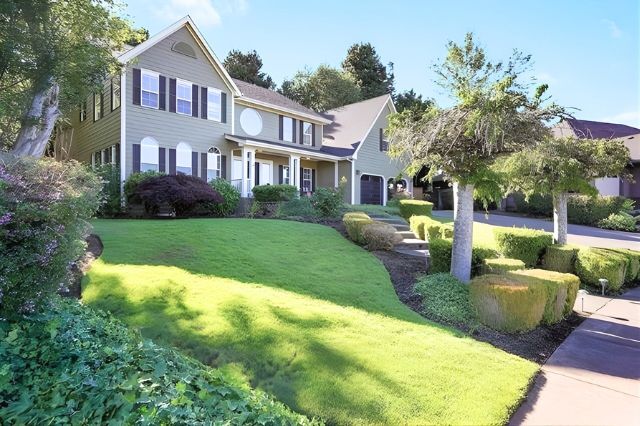
You picked the lot. You chose the floor plan—or drew it from scratch. You selected every finish, every fixture, every detail that made it yours.
And now you're thinking about selling it.
Downsizing from a custom home in Salem is one of the most complex transitions in real estate. Not because the logistics are especially difficult, but because the emotional weight is real and the market dynamics are different from a standard resale.
If you've been in your custom home for 15, 20, even 30 years, this isn't just a house. It's a reflection of who you were when you built it—and often, a reflection of the family life that happened inside it. Letting go of that takes more than a pricing strategy. It takes a plan that honors what you've built while moving you toward what's next.
We've written before about how to approach downsizing in Salem without giving up the life you love. This post goes deeper into the unique challenges that come with selling a home you designed and built yourself.
Why Custom Homes Sell Differently Than Standard Resales
Here's something most homeowners don't realize until they're in the middle of it: custom homes operate in a fundamentally different market.
Based on current MLS data for the Willamette Valley, homes in Salem are averaging 85 days on market overall. But custom homes above $700k—especially those in South Salem and West Salem with unique floor plans or acreage—often sit considerably longer. That's not a problem. It's the nature of the market.
The Buyer Pool Is Smaller and More Specific
A standard four-bedroom home in a popular neighborhood appeals to a broad range of buyers. A custom home with a wine cellar, a shop, a specific architectural style, or a layout designed around your family's life appeals to a much narrower group.
That smaller buyer pool isn't a weakness. It's simply a reality that changes how you approach pricing, marketing, and timeline expectations. The right buyer will come—but they need to find you, and they need time to appreciate what makes your home different.
Personal Touches Can Work For or Against You
The things you love most about your home may not translate to value for every buyer. The built-in bookshelves your spouse designed. The oversized workshop off the garage. The chef's kitchen with the specific island layout you spent months planning.
Some of these features add real value. Others are deeply personal and may not matter—or may even feel like limitations—to someone else's vision.
This is one of the hardest things for custom home sellers to hear. But understanding it early makes the entire process smoother.
The Emotional Reality Nobody Talks About
Most downsizing advice treats the emotional side as an afterthought—something to "get through" before the real work begins. But for custom home owners, the emotional dimension isn't separate from the strategy. It shapes the strategy.
You're Not Just Selling a House
When you built your home, you made thousands of decisions that reflected your values, your taste, and your vision for how your family would live. Selling it can feel like you're giving away a piece of your identity.
That feeling is valid. And it's worth sitting with for a while before you list.
We've seen sellers who rush to market before they've processed this, and it almost always creates problems. They resist reasonable offers because the number doesn't feel like enough for what the home means to them. They reject feedback from showings because it feels like personal criticism. They pull the listing after a few weeks because they "aren't ready."
None of those outcomes serve you well. The better approach is to give yourself space to separate the memories from the structure before the sign goes in the yard.
Your Timeline Is Probably Longer Than You Think
Most custom home owners we work with in Salem start thinking about downsizing one to two years before they're actually ready to list. That's healthy. Use that time to make peace with the decision, involve your family in the conversation, and start thinking about where you want to go next.
The practical decluttering and preparation can happen in parallel, but the emotional work comes first.
A Strategic Approach to Pricing a Custom Home
Pricing a custom home is more nuanced than pulling comparable sales. Your home may not have true comparables—and that's part of the challenge.
Cost-to-Build Doesn't Equal Market Value
This is the single most common disconnect we see. You spent $150,000 on that outdoor living space. The market may only value it at $60,000. You invested $80,000 in a high-end shop with electrical and HVAC. A buyer who doesn't need a shop sees that as wasted square footage.
Current Willamette Valley data shows homes are selling at 98.65% of list price on average. But that average masks significant variation. Well-priced custom homes that appeal to the right buyer may sell at or above list. Overpriced custom homes with highly personalized features can sit for months and sell well below asking after multiple price reductions.
The key is pricing for the market, not for what you spent.
How Buyers Above $800k Think About Value
Buyers at this price point evaluate homes differently. As we discussed in our guide to how serious buyers evaluate homes above $800k, they're looking at long-term livability, not just square footage or finishes. They want to understand the land, the privacy, the natural light, and whether the home can adapt to their life—not just yours.
Not Sure If Now Is the Right Time?
Our free Downsizing Decision Framework helps custom home owners work through the questions that matter before making a move — so you can decide with confidence, not pressure.
The framework covers:
- Financial readiness: how to evaluate your equity position and what your net proceeds could look like
- Emotional readiness: honest questions to help you gauge whether you're processing or avoiding
- Market timing: what current Salem conditions mean for sellers in the $700k+ range
- Next-home planning: clarifying what you actually want before you commit to leaving what you have
- Family conversations: how to involve the people who care about this home without letting the decision stall
No email required. No obligation. Just clarity.
Preparing a Custom Home for Sale (Without Losing Its Character)
Preparing a custom home for the market is different from staging a standard resale. You're not trying to make it look generic. You're trying to help buyers see themselves in a home that was built for someone else.
Depersonalize Without Sterilizing
The goal isn't to strip your home of character. Custom homes sell because of their character. But there's a difference between character and clutter, between thoughtful design and personal memorabilia.
Keep the architectural features—the beams, the stonework, the built-ins. Remove the family photos, the collections, and the ultra-specific décor that makes it feel like visiting someone else's home rather than imagining your own.
In neighborhoods like South Salem where custom homes often sit on larger lots with mature landscaping, the outdoor spaces matter as much as the interior. Make sure the grounds reflect the same care and intentionality as the house itself.
Address Deferred Maintenance Before Listing
Custom homes that have been lived in for two decades often have maintenance that's been deferred—not because the owners don't care, but because when you live in a home that long, you stop seeing the small things.
Roof condition, HVAC age, exterior paint, driveway cracks, irrigation systems—buyers at this price point will notice. And unlike the entry-level market, they won't just negotiate a credit. They'll walk.
Get ahead of this. A pre-listing inspection on a custom home is one of the smartest investments you can make.
Consider Your Home's Story
Every custom home has a narrative. The question is whether you're telling it or leaving buyers to guess.
A well-prepared listing for a custom home includes the story of why it was built the way it was. The orientation for morning light. The sightlines to the Cascades. The kitchen designed for a family that cooked together. The separated primary suite for privacy.
When buyers understand the intention behind the design, they start to see the home differently. They stop counting bathrooms and start imagining a life.
The Financial Strategy Most Custom Home Owners Miss
If you've been in your custom home for 15 to 25 years, you likely have significant equity—often more than you realize. Understanding what that equity means for your next chapter is just as important as the sale itself.
We've outlined how to evaluate your home equity and what you can do with it, and it's worth revisiting that before you start the listing process.
Think Beyond the Sale Price
The sale price matters, but it's not the only number that counts. Consider the net proceeds after closing costs, any capital improvements you can document, and the capital gains exclusion that applies to your primary residence.
For long-term custom home owners in Salem, the gap between original cost basis and current market value can be substantial. The $500,000 capital gains exclusion for married couples filing jointly covers many situations, but not all. Talk with your tax advisor early.
Plan Your Next Home Before You Sell
One of the biggest mistakes custom home owners make is selling without a clear plan for where they're going. You've lived in a home designed for you. Moving into something that doesn't feel right—even temporarily—can make the entire transition feel like a loss rather than a step forward.
Whether you're looking at a single-level home in West Salem, a low-maintenance property in South Salem, or even a condo that frees you from yard work entirely, know your next destination before you commit to leaving.
Practical Steps for Getting Started
If you're thinking about downsizing from your custom home in the next six to twelve months, here's a realistic timeline that respects both the emotional and practical sides of this transition.
Start with the Conversation, Not the Listing
Talk with your spouse or partner first. Then bring in your family if the home holds significance for them too. Some of the smoothest custom home sales we've seen in Salem started with a family dinner where everyone had a chance to share what the home meant to them—and to give their blessing for the next chapter.
Get a Realistic Market Assessment
Not a Zestimate. Not what your neighbor's home sold for. A proper comparative market analysis from someone who understands how custom homes are valued differently. This gives you a realistic range and helps you decide when the timing is right.
Build Your Timeline Backwards
If you want to be settled in your next home by fall, that means listing by late spring at the latest. But preparation for a custom home—decluttering, maintenance, staging, photography—takes longer than a standard listing. Give yourself at least three months of preparation time before you go to market.
Assemble Your Team Early
A custom home sale benefits from a coordinated team: your agent, a stager who understands high-value properties, a photographer who can capture the scale and details, possibly a landscaper for curb appeal, and your financial advisor for the equity and tax planning.
What Comes After Letting Go
Here's what we hear most often from custom home owners after they've made the move: they wish they'd done it sooner.
Not because the home didn't matter. It mattered deeply. But because the freedom on the other side—less maintenance, lower costs, a space that fits their current life rather than their past life—turns out to be exactly what they needed.
The memories don't live in the walls. They live in you. And the next chapter has room for new ones.
If you're considering a move from your custom home and want to understand what it's worth, what the timeline looks like, and how to approach it without unnecessary stress, we're here to walk through it with you. No pressure, no timeline you didn't choose. Just a clear-eyed look at your options.
Ready to Start Planning Your Move?
Our free Home Sale Preparation Checklist walks you through every step of preparing a custom or high-value home for market — organized by timeline so you know exactly what to do and when.
Inside you'll find:
- A 60–90 day pre-listing timeline with specific action items for each phase
- What to address first: inspections, maintenance, and repairs that matter most to buyers above $700k
- A room-by-room depersonalization guide that preserves your home's character
- Financial planning steps including equity evaluation, capital gains considerations, and net proceeds estimation
- How to assemble your team: the professionals you need and when to bring them in
- A section on emotional readiness — because timing the decision matters as much as timing the market
No email required. No obligation. Just a clear starting point for when you're ready.
Frequently Asked Questions About Downsizing From a Custom Home
How long does it take to sell a custom home in Salem, Oregon?
Custom homes in Salem typically take longer to sell than standard resales. While the overall Salem market averages 85 days on market, custom homes above $700k often sit longer due to a smaller, more specific buyer pool. This is normal and expected—not a sign of a problem. Proper pricing and marketing to the right audience are key.
Does what I spent building my custom home equal its market value?
Not necessarily. Cost-to-build does not equal market value. Highly personalized features like specialized workshops, unique floor plans, or custom outdoor spaces may not return their full investment. Current Willamette Valley data shows homes selling at 98.65% of list price on average, but custom homes that are priced based on cost rather than market comparables tend to sit longer and sell below asking.
How do I prepare a custom home for sale without losing its character?
The goal is to depersonalize without sterilizing. Keep architectural features like beams, stonework, and built-ins that give the home character. Remove personal memorabilia, collections, and ultra-specific decor. Address deferred maintenance, especially roof, HVAC, exterior paint, and landscaping. Consider a pre-listing inspection and tell the story of why the home was designed the way it was.
When should I start planning to downsize from my custom home?
Most custom home owners begin thinking about downsizing one to two years before they are ready to list. That timeline is healthy. Use it to process the emotional side of the decision, involve your family, plan your next home, and prepare the property. Allow at least three months of active preparation before going to market.
What neighborhoods in Salem are popular for downsizers leaving custom homes?
Many custom home owners in Salem downsize to single-level homes in West Salem, low-maintenance properties in South Salem, or condos that eliminate yard work entirely. The right choice depends on your priorities—proximity to amenities, lot size, maintenance level, and how much of your current lifestyle you want to preserve.
or another way