
Published February 10, 2026
Best Suburbs Near Salem, Oregon: Where to Live in the Willamette Valley

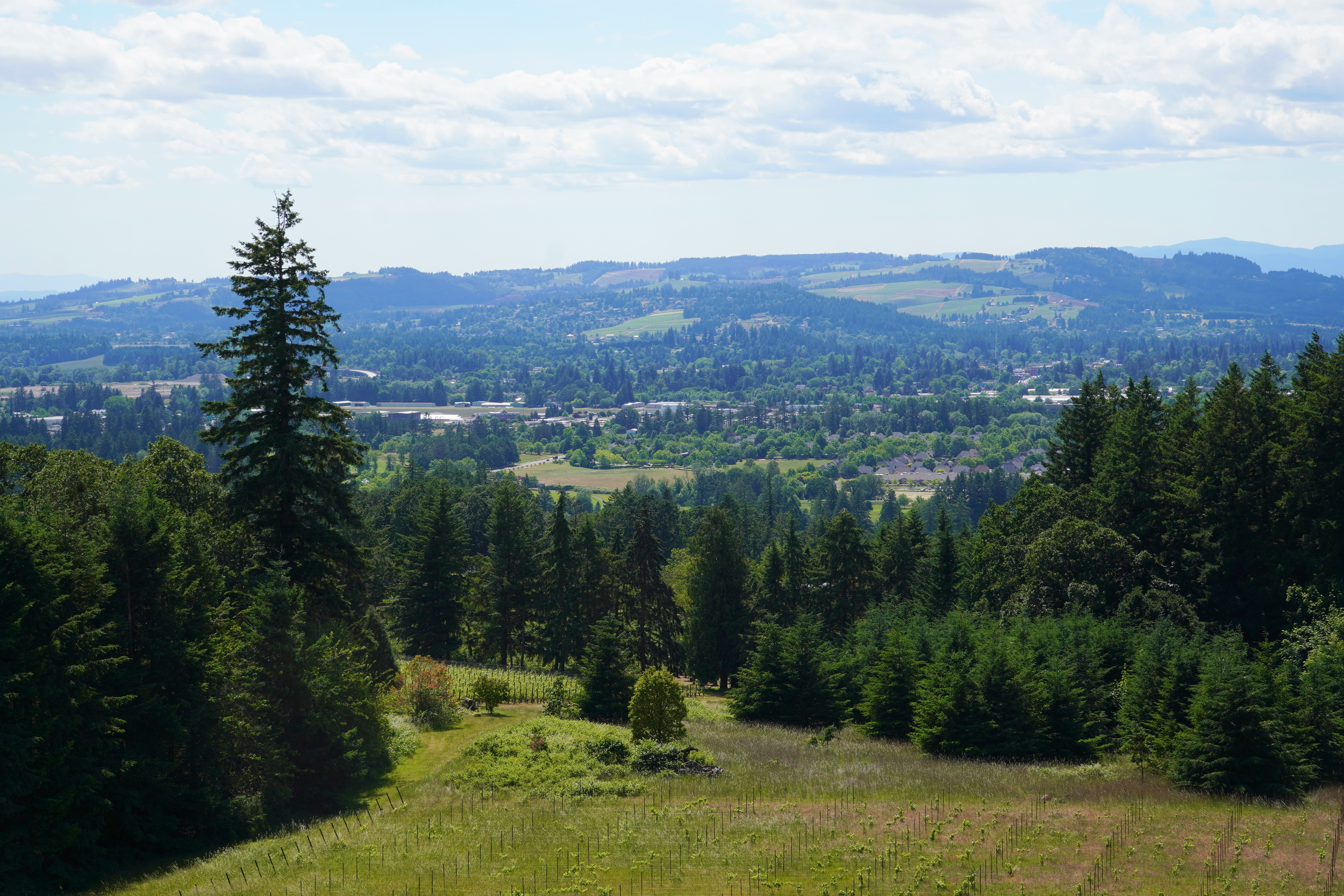
The best suburbs near Salem, Oregon offer something the city itself can't always deliver: a little more space, a little more quiet, and often a little more home for the money.
If you've been exploring neighborhoods within Salem and haven't found quite the right fit, there's a good chance the answer is just a few miles down the road. The Willamette Valley is home to a handful of smaller communities that give you easy access to Salem's jobs, schools, and amenities while offering a distinctly different pace of life.
Here's what those communities actually look like for buyers in 2026, with real pricing data and honest context to help you decide where to focus your search.
Keizer: Salem's Closest Suburb and Most Popular Alternative
Keizer sits directly north of Salem and shares so much infrastructure that many newcomers don't realize they've crossed city lines. That seamlessness is a big part of the appeal. You get a separate community identity, your own parks and schools, and slightly different tax considerations—all within a five-minute drive of everything Salem offers.
What You'll Pay
Based on WVMLS data through December 2025, the average residential sale price in Keizer is $478,817. That's up from $467,506 in 2024, representing a modest 2.4% year-over-year increase. Homes here average 77 days on market and sell at 99.5% of list price—a sign that the market is balanced and pricing is realistic.
For buyers in the $450k–$550k range, Keizer is where you'll find the most inventory near Salem. You're looking at well-maintained three-bedroom, two-bath homes on established lots, often with two-car garages and mature landscaping.
Why Buyers Choose Keizer
The commute is the obvious draw. Most of Keizer sits within ten minutes of downtown Salem, and I-5 access makes it easy to reach Portland in about 50 minutes. Keizer Station shopping center provides convenient retail, and the community's network of parks—including Keizer Rapids Park along the Willamette River—gives families real outdoor space.
Keizer also tends to attract buyers who want the suburban feel without the rural commute. If you've been comparing West Salem homes and want a similar lifestyle at a slightly lower average price point, Keizer is worth a serious look.
Silverton: Small-Town Character With Real Substance
About 15 miles east of Salem, Silverton has become one of the most sought-after small towns in the Willamette Valley. It's known as the gateway to Silver Falls State Park—Oregon's largest state park—and that natural beauty defines the community's identity.
What You'll Pay
Silverton's housing market has shifted in the past year. Median sale prices have pulled back from their 2024 peaks, with recent data showing homes selling around $520,000–$555,000 depending on the source and time frame. That said, properties here tend to sit longer than in Salem proper, with an average of 97 days on market for recent listings.
For buyers willing to stretch into the mid-$500s, Silverton delivers something Salem can't: walkable downtown charm, a tight-knit arts community, and proximity to some of the best hiking in the state.
Why Buyers Choose Silverton
Silverton punches above its weight culturally. The Oregon Garden, a local film festival, and a lively downtown with independent shops and restaurants create a community that feels intentional. Families appreciate the smaller school district and the feeling that people know their neighbors.
The trade-off is commute time. You're looking at 25–30 minutes to central Salem, and closer to 40 minutes if you're headed to Portland. For remote workers or those who only commute a few days a week, that trade-off is increasingly easy to make.
Turner: Quiet Living With Surprising Proximity
Turner is one of those places people discover almost by accident. This small community sits about ten miles southeast of Salem along Highway 22, and it offers a genuinely rural feel within easy commuting distance.
What You'll Pay
Turner home prices tend to run in the $450,000–$575,000 range for single-family homes. The inventory is limited—this is a town of fewer than 2,500 people—so specific pricing depends heavily on what happens to be available. When properties do come up, they tend to offer larger lots and more breathing room than comparably priced homes in Salem.
Why Buyers Choose Turner
Turner attracts buyers who want space, quiet, and that rural Oregon feel without being truly remote. The commute to Salem is roughly 15 minutes, and you're still near the Highway 22 corridor that connects to the coast and central Oregon.
The community is small enough that it feels like a genuine neighborhood rather than a bedroom community. If you're the kind of buyer who values a half-acre lot, a slower pace, and knowing your neighbors by name, Turner should be on your radar.
Independence and Monmouth: Willamette Valley Value
These twin communities sit about 15 miles southwest of Salem in Polk County. Independence lines the Willamette River, while Monmouth is home to Western Oregon University. Together they create a surprisingly vibrant small-town corridor.
What You'll Pay
Independence remains one of the more affordable options near Salem, with average home prices in the low $400,000s. Monmouth runs slightly higher—closer to $450,000—partly because of the university's influence on the local economy and housing demand.
Both communities fall within the broader Polk County data tracked by WVMLS, which shows an average sale price of $517,342 for 2025. That Polk County number includes rural acreage and higher-end properties, so the in-town pricing in Independence and Monmouth tends to come in well below that average.
Why Buyers Choose This Area
The value proposition is clear. For what you'd spend on an entry-level home in South Salem, you can often get a newer, larger home in Independence or Monmouth. The commute to Salem is about 20 minutes on Highway 51 and Highway 22, and the route is straightforward.
Independence has invested in its downtown riverfront in recent years, and the community hosts popular events like its annual Hop & Heritage Festival. Monmouth adds the cultural energy of a university town—restaurants, events, and a younger demographic that keeps things lively.
Curious how these communities compare side by side? Our free Salem Neighborhood Comparison Guide breaks down prices, schools, commute times, and lifestyle factors across the greater Salem area. It's a helpful starting point if you're weighing multiple options.
Aumsville and Sublimity: The Eastern Corridor
About 15 miles southeast of Salem, these small communities along Highway 22 offer some of the most affordable entry points in the region. Sublimity, in particular, consistently ranks among the top-rated suburbs near Salem for quality of life.
What You'll Pay
Aumsville typically offers homes in the $375,000–$475,000 range, making it one of the more budget-friendly options on this list. Sublimity runs slightly higher, often in the $425,000–$525,000 range, reflecting its reputation for strong schools and community engagement.
Both communities fall within Marion County, where WVMLS data shows an average sale price of $541,315 for 2025—up from $528,026 in 2024. Homes in the Marion County area average 99 days on market.
Why Buyers Choose This Area
For families, the Cascade School District (serving Aumsville and Turner) and the Sublimity-based North Santiam School District offer smaller class sizes and strong community involvement. Buyers also appreciate the proximity to outdoor recreation, with the foothills of the Cascades just a short drive east.
The commute to Salem runs 20–25 minutes depending on where you're heading, and Highway 22 keeps the route simple and direct.
Dallas: Polk County's Quiet Contender
The county seat of Polk County, Dallas sits about 15 miles west of Salem and offers a self-contained small city experience. With its own downtown, hospital, and school district, Dallas doesn't feel like a bedroom community—it feels like its own place.
What You'll Pay
Dallas home prices generally fall in the $425,000–$525,000 range for standard three- and four-bedroom homes. The WVMLS Polk County average of $517,342 gives you a reasonable benchmark, though Dallas proper tends to come in slightly below that figure.
Why Buyers Choose Dallas
Dallas appeals to buyers who want genuine small-city independence rather than suburban dependence on Salem. The schools are well-regarded, the pace is slower, and the housing stock includes a mix of historic homes near downtown and newer developments on the edges of town.
The commute to Salem is about 20 minutes via Highway 22, though it can stretch longer during peak hours. For buyers who work in Salem but don't need to be there every day, Dallas offers real value.
How to Think About Choosing a Suburb
Every suburb on this list has trade-offs. Here's a framework for thinking through what matters most to your household.
Commute Tolerance
If you're commuting to Salem daily, Keizer and Turner offer the shortest drives (10–15 minutes). Silverton, Independence/Monmouth, Aumsville, and Dallas all run 20–30 minutes. That difference adds up over a year of workdays.
Price Sensitivity
If maximizing your buying power matters most, Independence, Aumsville, and North Salem–adjacent areas of Keizer offer the most home for the dollar. If you're in the $600k–$800k range, Silverton and the higher end of the Keizer market open up considerably.
Lifestyle Priority
Small-town charm and walkability: Silverton or Independence. Suburban convenience with city access: Keizer. Rural quiet with reasonable commute: Turner or Aumsville. Self-sufficient small city: Dallas.
School Districts
Each suburb operates its own school district, which means ratings, class sizes, and culture vary meaningfully. If schools drive your decision, research the specific district rather than relying on general area reputation.
What the Data Tells Us About These Markets
One thing worth noting: suburbs near Salem tend to move more slowly than Salem itself. Based on WVMLS data, Salem's core neighborhoods average 74–83 days on market, while outlying Marion and Polk County areas run 97–108 days. That's not a sign of weakness—it reflects smaller inventory and fewer transactions.
For buyers, that slower pace can actually work in your favor. There's typically less competition, more time to evaluate properties, and more room to negotiate. Homes in these suburbs sold at 98.3%–99.5% of list price in 2025, meaning pricing is realistic and bidding wars are uncommon.
The overall Willamette Valley market saw 8,095 closed sales in 2025, down 3% from 2024's 8,345. Active listings increased 5.45% year over year, and months of inventory rose to 3.88—giving buyers slightly more leverage than they've had in recent years.
Practical Takeaways
The best suburbs near Salem share a few things in common: reasonable commute times, lower price points than Salem's premium neighborhoods, and access to the same Willamette Valley lifestyle that makes this region appealing in the first place.
Before you decide, spend time in the community. Drive the commute during rush hour. Walk the downtown. Talk to people at the local coffee shop. The data can narrow your options, but only firsthand experience tells you whether a place feels like home.
If you're weighing multiple areas and want to see how they compare on the factors that matter most to your family, our Salem Neighborhood Comparison Guide is a useful starting point. And if you'd like to talk through what's available in any of these communities right now, we're happy to walk through current inventory and pricing with you. No pressure—just information.
Photo by Brett Wharton on Unsplash
or another way